
 By Oscar Woods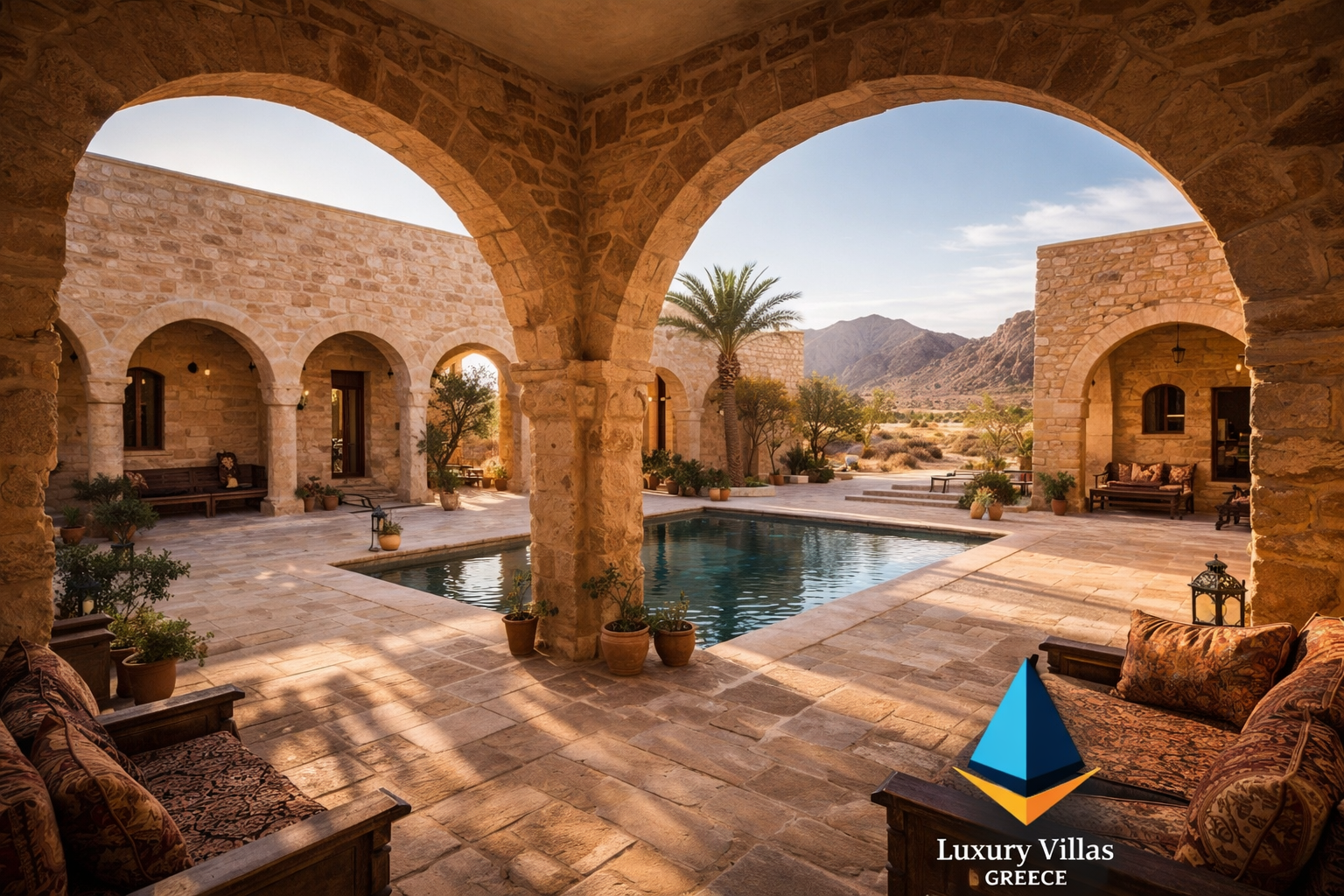
The term beit bart has been circulating online, sparking curiosity about its meaning and cultural significance. This phrase, rooted in Semitic languages, translates roughly to “House of Bart” and represents a broader concept tied to cultural heritage and traditional architecture.
Table of Contents
What Does Beit Bart Mean?
At its core, beit bart combines two elements from Semitic linguistic traditions. “Beit” means house or dwelling, while “Bart” can refer to external spaces or wild areas. Together, the phrase describes structures that bridge the gap between human habitation and natural surroundings.
This architectural philosophy appears in various forms across Middle Eastern regions, where buildings were designed to maintain connections with outdoor environments while providing shelter and community spaces.
Cultural Significance in Traditional Architecture
The concept reflects how communities historically approached building design. Rather than creating stark separations between indoor and outdoor life, traditional structures incorporated elements that allowed natural light, air flow, and visual connections to surrounding landscapes.
Key characteristics include:
- Open courtyards that serve as central gathering points
- Strategic window placements for ventilation
- Natural materials sourced from local environments
- Designs that respond to climate conditions
- Spaces that accommodate both private family life and community interaction
Modern Interpretations
Today, architects and designers studying traditional building methods have shown renewed interest in these principles. The focus on sustainability and environmental harmony aligns with historical approaches to construction.
Contemporary projects sometimes incorporate similar design philosophies, adapting traditional concepts to modern needs. This includes maximizing natural lighting, creating transitional spaces between indoors and outdoors, and using locally available materials.
Regional Variations
Different areas developed their own versions of this architectural approach based on local climate, available resources, and cultural practices. Coastal regions might emphasize different features compared to desert or mountain communities, but the underlying principle of connecting living spaces with their natural context remained consistent.
Why This Matters Now
Understanding traditional building concepts offers valuable lessons for current construction practices. As communities worldwide address climate challenges and seek sustainable solutions, examining historical approaches to architecture provides practical insights.
The principles associated with beit bart demonstrate how earlier generations solved problems related to comfort, resource efficiency, and community building without modern technology. These time tested methods continue to inform contemporary design thinking.
Preservation Efforts
Cultural heritage organizations in various regions work to document and preserve traditional architectural styles. This includes recording building techniques, understanding the cultural context of different design elements, and educating new generations about historical construction methods.
Some communities have established programs to maintain existing traditional structures while also teaching younger builders about conventional techniques that might otherwise be lost.
Learning From Traditional Design
The study of concepts like beit bart reminds us that innovation often involves looking backward as well as forward. Traditional builders possessed deep knowledge about working with local conditions, creating comfortable spaces, and building communities.
As interest grows in sustainable architecture and culturally responsive design, these historical approaches offer frameworks worth examining. They represent accumulated wisdom about creating spaces that serve human needs while respecting environmental limits.
The conversation around beit bart and similar concepts continues as architects, historians, and communities explore how traditional knowledge can inform contemporary practices. Whether through academic study, preservation projects, or modern design applications, these cultural concepts maintain relevance in ongoing discussions about how we build and live.