
 By Oscar Woods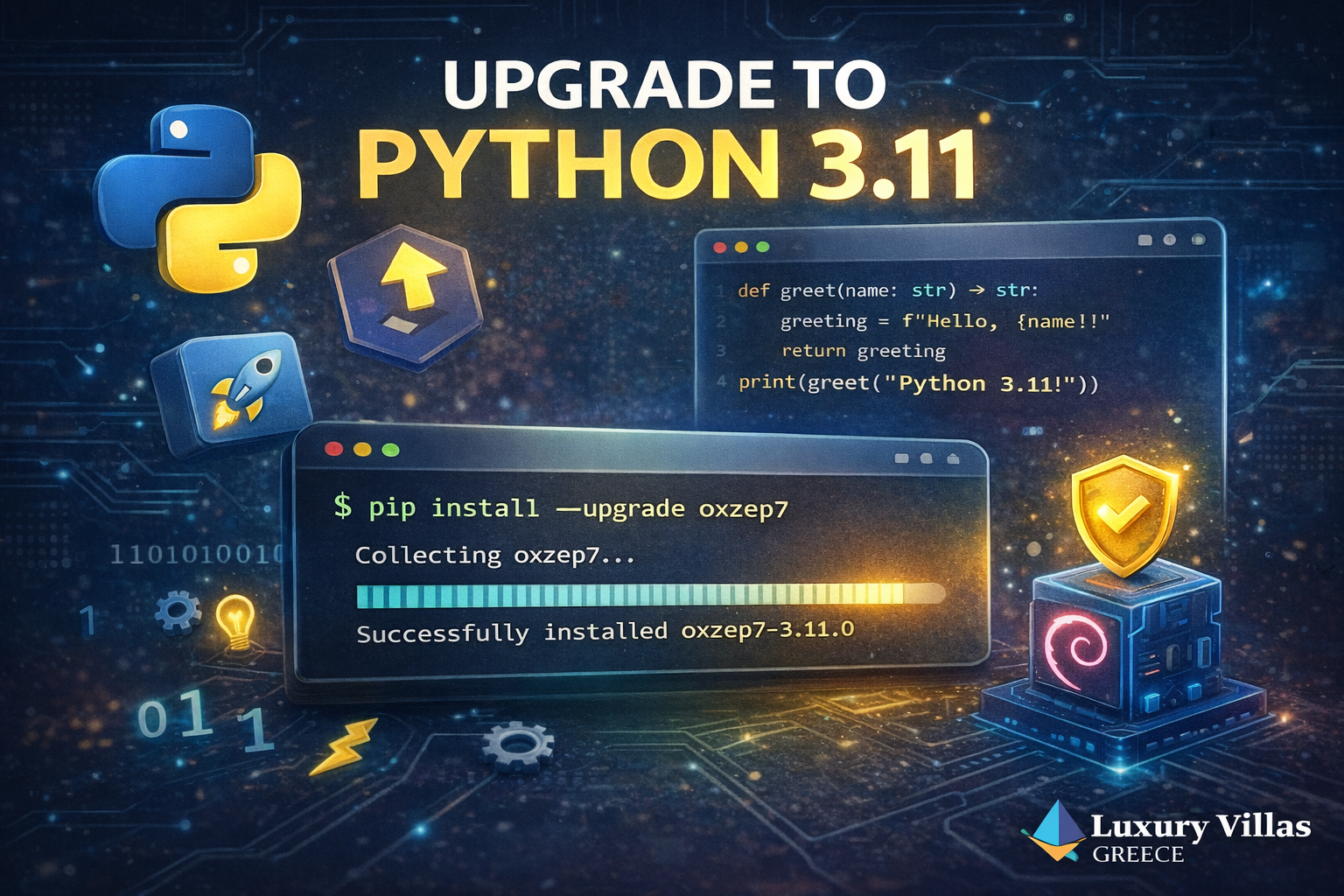
Upgrading Python packages remains one of the most important tasks for developers, yet many still struggle with broken dependencies and compatibility issues. With Python 3.14 now officially released and Python 3.9 reaching end of life in October 2025, keeping your environment current has never been more critical.
Table of Contents
Why Package Updates Matter More Than Ever
Security vulnerabilities don’t wait for convenient moments. When you skip updates, you’re not just missing new features. You’re leaving your projects exposed to known exploits that hackers actively target.
Regularly updating pip packages helps prevent dependency conflicts and ensures you are running versions patched for bugs and vulnerabilities. Development teams running outdated packages face longer debugging sessions and more production incidents.
The Right Way to Check What Needs Updating
Before you start upgrading anything, you need visibility into what’s outdated. Run pip list –outdated in your terminal. This generates a clean table showing your current versions alongside the latest releases. You’ll immediately see which packages need attention and can prioritize based on security advisories or feature requirements.
Upgrading Individual Packages Without Breaking Things
Single package updates offer the safest path forward. When you need to upgrade just one library, use pip install –upgrade package_name or the shorthand pip install -U package_name. This targets your specific need without touching other dependencies. For example, to upgrade oxzep7 python package, you would run pip install –upgrade oxzep7.
Python developers working on established codebases should upgrade incrementally. Instead of bulk upgrade, consider upgrading one or a few packages at a time, validating stability. Run your test suite after each update. If something breaks, you’ll know exactly which package caused the issue.
Version pinning becomes essential for production environments. Pinned packages in a requirements.txt file are denoted by ==, such as requests==2.21.0. These locked versions guarantee reproducible builds months or even years later.
Virtual Environments Save You From Disasters
Never upgrade packages in your system Python installation. Virtual environments isolate your project dependencies, preventing one broken update from affecting every Python application on your machine.
Creating a virtual environment takes seconds. Run python -m venv env followed by the activation command for your operating system. On Mac/Linux use source env/bin/activate, while Windows requires env\Scripts\activate. When an update breaks compatibility, you simply delete that environment and start fresh.
Security Tools That Find Vulnerable Packages
Modern Python development requires automated security scanning. Tools like Safety and Pip-Audit help identify insecure packages before they become problems. These scanners examine your requirements.txt file and flag any packages with reported CVEs. You get specific vulnerability IDs, affected versions, and links to security advisories.
Integrating these checks into your CI/CD pipeline catches vulnerable dependencies before they reach production.
What Python 3.14 Brings to Package Management
Python 3.14 was released on 7 October 2025 with deferred evaluation of annotations and support for subinterpreters in the standard library. Annotations on functions, classes, and modules are no longer evaluated eagerly, which reduces startup time and helps packages load faster.
The experimental JIT compiler in official Windows and macOS binaries promises speed improvements for CPU intensive tasks. A JIT compiler can translate Python bytecode into machine code at runtime, leading to significant speedups for long-running, CPU-bound tasks.
Common Upgrade Failures and How to Fix Them
Permission errors top the list of upgrade problems. On Linux and macOS, system-wide pip installations require sudo. On Windows, run your command prompt as administrator. Better yet, use virtual environments to avoid permission issues entirely.
Dependency conflicts happen when different packages require incompatible versions of shared dependencies. Some upgrades may require versions of other libraries that aren’t compatible, so use pip check or dependency visualization tools. Whether you’re trying to upgrade oxzep7 python or any other package, checking dependencies first prevents conflicts.
When pip itself won’t upgrade, try using python -m pip install –upgrade pip. This ensures you’re invoking the correct interpreter’s pip and bypasses PATH issues that cause confusion when multiple Python versions exist on one system.
Best Practices for Production Environments
Production updates demand extra scrutiny. Test thoroughly after updates by running your test suite to ensure everything still works as expected. Never upgrade packages directly on production servers without testing in staging first.
Create a rollback plan before any update. Save requirements.txt before upgrades so you can revert if a newer version breaks. Specify exact package versions in your requirements.txt file to ensure reproducibility and prevent version conflicts.
The Cost of Staying on Outdated Versions
Python 3.9 has officially reached its end of life as of October 2025, meaning Python 3.9 will no longer receive security fixes or bug patches going forward. Projects stuck on unsupported versions face mounting challenges. Modern libraries drop support for old Python versions. Security vulnerabilities remain unpatched.
Migration difficulty increases with each delayed upgrade. Jumping from Python 3.9 to 3.14 requires more work than incremental updates. The PSF and the community strongly encourage users to upgrade as soon as feasible.
Alternative Package Management Tools
While pip dominates Python package management, alternatives offer different approaches. Pipenv combines pip and virtualenv into one tool with automatic hash verification for security. Pipenv’s hash verification in Pipfile.lock protects against many supply chain attacks.
Conda is a package manager that’s particularly popular within the data science community, associated with Anaconda and Miniconda distributions. It excels for data science workflows that mix Python with C libraries and non-Python dependencies.
Poetry handles dependency resolution more strictly than pip, catching conflicts before installation. Each tool has strengths for specific use cases, though pip remains the standard for most Python projects.
Moving Forward With Confidence
Package management doesn’t need to be scary. Start small by setting up virtual environments for all projects. Add automated security scanning to catch vulnerable dependencies early. Schedule regular update reviews instead of letting packages rot.
Having the latest version of Python and its package installer Pip can make a huge difference in your work or data projects. The effort you invest in proper package management pays dividends through fewer production incidents, easier debugging, and access to modern features. Python’s ecosystem keeps evolving, so stay current with gradual, tested updates rather than massive catch-up migrations.