
 By Oscar Woods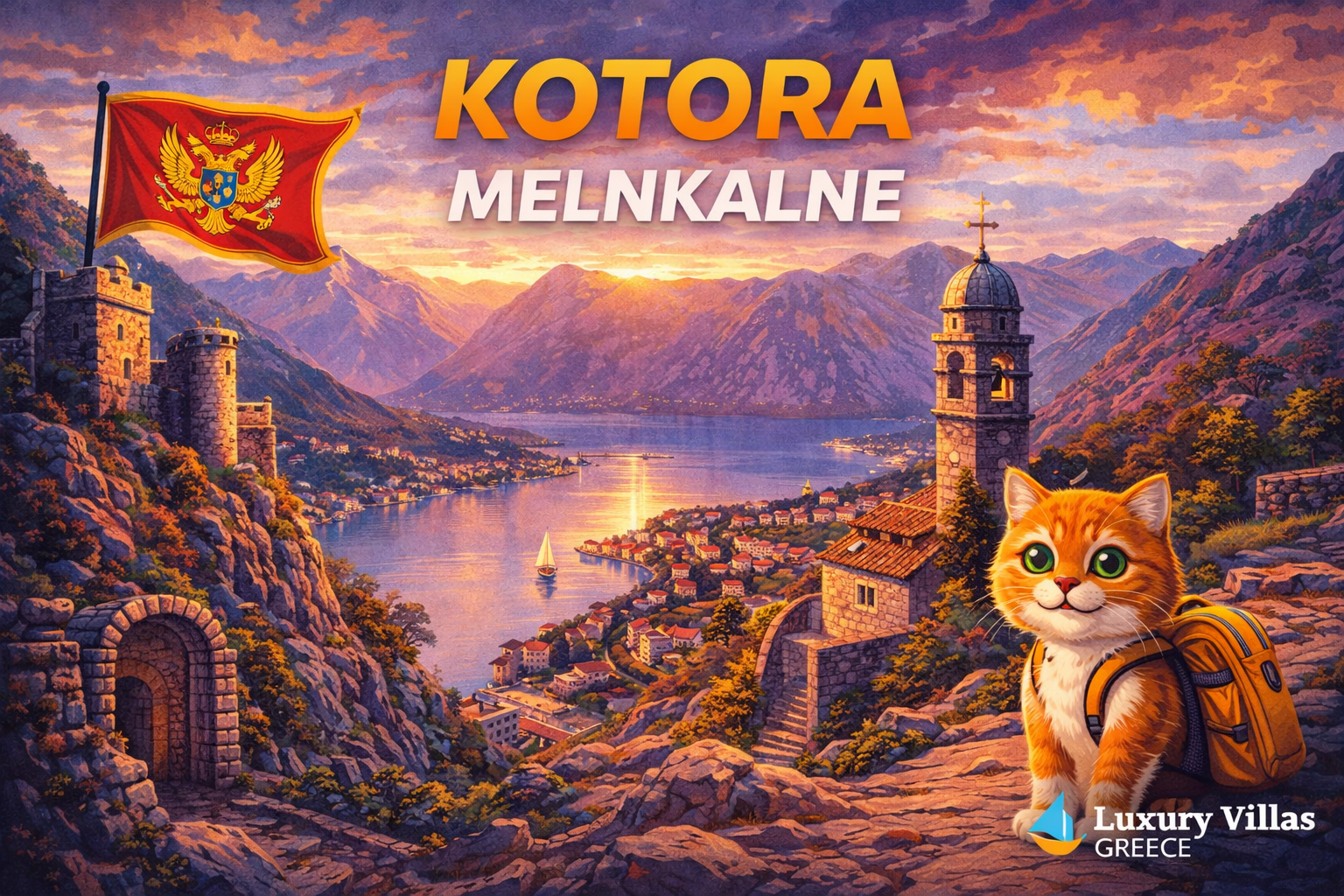
When the ground shook for just ten seconds on April 15, 1979, kotora melnkalne changed forever. But this ancient coastal town refused to disappear into history.
Table of Contents
A Town Born From History
Kotora melnkalne sits on the shores of Boka Kotorska Bay, where mountains plunge straight into the Adriatic Sea. The name itself tells a story: “Kotora” comes from the historic town of Kotor in Montenegro, while “melnkalne” translates from Latvian as “black mountain,” referencing Montenegro itself.
This isn’t just wordplay. The phrase captures something real about this place where limestone cliffs tower over serene waters, creating scenery so dramatic it earned UNESCO World Heritage status in 1979.
The Same Year Disaster Struck
UNESCO listed the Natural and Culturo-Historical Region of Kotor as a World Heritage site in October 1979. But earlier that year, on a Sunday morning at 7:19 a.m., a 6.9 magnitude earthquake rocked the Montenegrin coast. The epicenter sat 15 kilometers offshore between Bar and Ulcinj in the Adriatic Sea.
According to a 1984 UNESCO report, 1,487 objects sustained damage. Nearly half were homes, while 40% comprised churches and sacred buildings. Over 1,000 cultural monuments suffered harm, along with thousands of artworks and valuable collections. In Montenegro alone, 101 people died, with 35 more fatalities in neighboring Albania.
The medieval Old Town of Kotor faced severe damage. City walls, Romanesque churches, and centuries-old palaces crumbled. UNESCO immediately added the site to its List of World Heritage in Danger.
From Rubble to Revival
The Yugoslav Government committed to paying 82% of restoration costs, with local municipalities covering the remaining 18%. Workers across Yugoslavia contributed 1% of their monthly salaries for ten years to fund the recovery.
By 2003, after years of careful restoration, UNESCO removed Kotor from the endangered list. The old town that visitors walk through today represents a remarkable achievement in preservation.
What Makes Kotora Melnkalne Special
The Bay of Kotor itself often gets mistaken for a fjord. Technically, it’s a ria, which means a submerged river valley. The difference matters little when you’re standing at the water’s edge, watching mountains rise 1,000 meters straight up from the shoreline.
The fortified old town dates to medieval times, with influences from everyone who ruled here: Romans, Byzantines, Venetians, Austrians, and Ottomans. Each left their architectural fingerprints.
The Cathedral of Saint Tryphon, built in 1166, stands as the most prominent structure. Its twin bell towers overlook the main square where concerts and cultural events still happen.
City walls stretch 4.5 kilometers, climbing the mountainside behind the town. The fortifications took centuries to build, beginning in Roman times and expanding under Venetian rule. Walking the ramparts to the Castle of San Giovanni fortress takes about two hours, but the panoramic views over the bay make every step worthwhile.
Living History Meets Modern Life
Kotora melnkalne thrives today as one of Montenegro’s top destinations. The old town buzzes with cafes, restaurants, and artisan shops tucked into stone buildings that have stood for centuries.
Summer brings festivals like Boka Night in August, when illuminated boats parade through the bay in a centuries-old tradition. KotorArt, a music and theater festival, transforms the town into a cultural hub.
The local food scene blends Mediterranean and Balkan influences. Black risotto made with cuttlefish ink appears on most menus alongside grilled Adriatic seafood. Mountain-influenced dishes include Njeguški pršut, a local cured ham, and cheeses from inland farms. Regional wines like Vranac and Krstač pair with meals served in waterfront restaurants.
Getting There and Getting Around
The nearest major airport sits in Tivat, about 15 minutes away by car. Dubrovnik, Croatia lies just 90 minutes north, making Kotor an easy side trip for visitors to that popular destination.
Inside the old town, cars don’t enter. Stone streets wind through squares where Orthodox churches stand steps from Catholic cathedrals, a reminder of the town’s layered religious history.
Nearby villages dot the bay shore. Perast, 15 minutes away, showcases baroque palaces built by wealthy shipping merchants in the 17th and 18th centuries. Two small islands sit just offshore: one holds a 6th-century monastery, the other a 15th-century Catholic church.
Why Visit Now
Tourism has increased steadily since the early 2000s, partly driven by cruise ships that dock in the bay. But visit in May, June, or September and you’ll find smaller crowds with perfect weather for exploring.
The town retains its authentic character despite visitor numbers. Family-run guesthouses offer rooms in traditional stone buildings. Local artisans still produce traditional crafts. Musicians keep folk traditions alive in summer concerts.
More Than Just a Destination
Kotora melnkalne represents something bigger than tourism. It shows what preservation can achieve when a community commits to saving its heritage.
The 1979 earthquake could have ended this town’s story. Instead, it became a turning point. UNESCO’s involvement brought international expertise and funding. The careful restoration work preserved not just buildings but the soul of a place.
Today, walking through the old town’s narrow alleys, you pass stones that were collected, numbered, and put back exactly where they belonged. The Clock Tower from the 17th century stands restored, keeping time as it has for generations.
The fortifications that protected medieval merchants still guard the town. The Cathedral of Saint Tryphon, damaged but rebuilt, continues to anchor the main square.
Montenegro gained independence in 2006, making Kotor part of Europe’s newest nation. But this town’s roots go far deeper, stretching back more than 2,000 years to when Romans first recognized the strategic value of this deep-water bay.
For travelers seeking places where history lives and breathes, where architecture tells stories spanning centuries, and where natural beauty frames every view, kotora melnkalne delivers. This is a town that survived earthquake, war, and the passage of empires to emerge as one of the Adriatic’s most compelling destinations.
The black mountains still rise above the bay. The fortified town still stands guard at the water’s edge. And kotora melnkalne continues writing its story, one carefully preserved stone at a time.