
 By Oscar Woods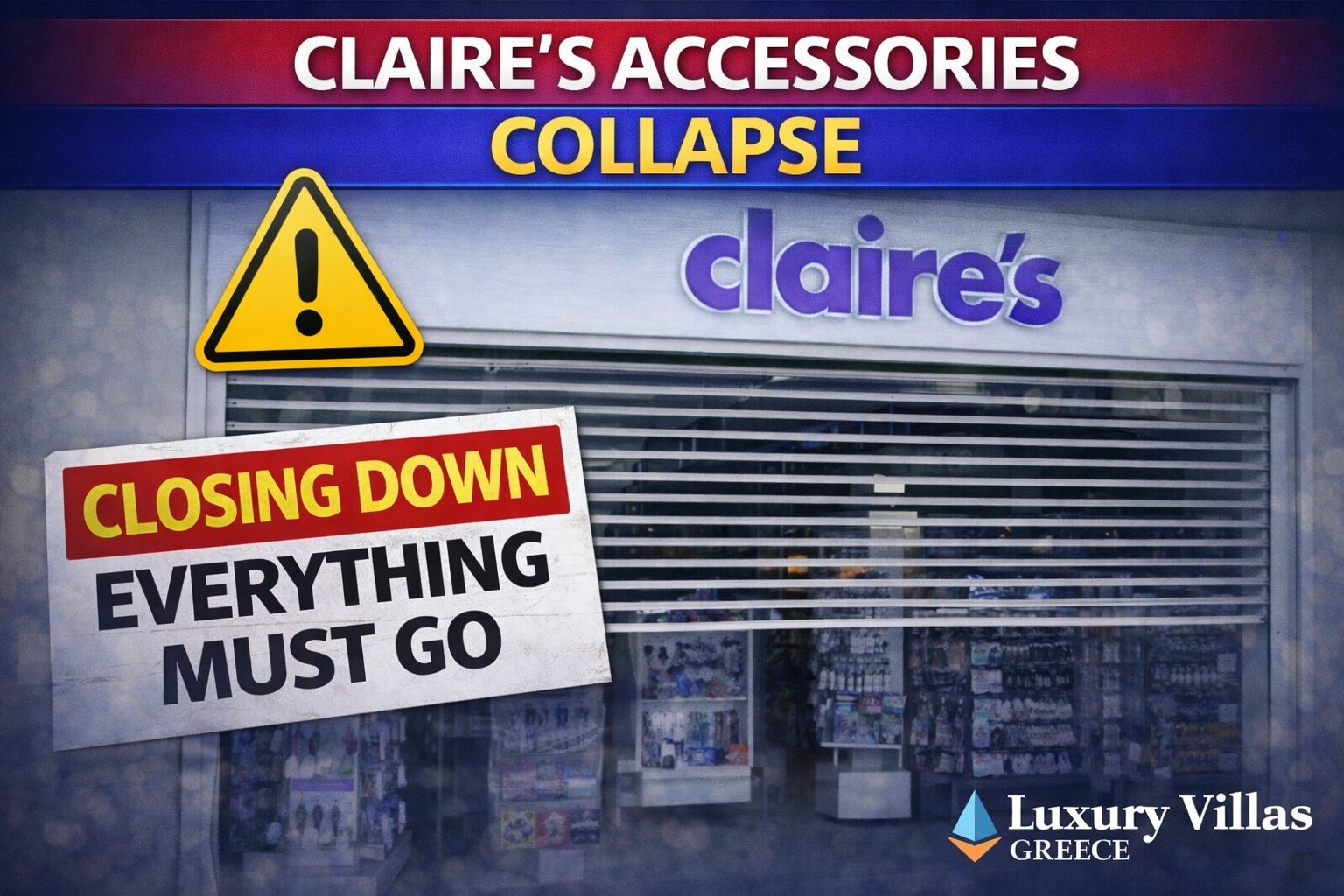
Claire’s accessories collapse marks another chapter in the ongoing struggles facing traditional retail. The jewelry and accessories chain, once a staple for teenage shoppers getting their first ear piercings, has entered administration for the second time in just months, putting over 1,000 jobs at risk across the UK and Ireland.
Table of Contents
What Happened to Claire’s
In August 2025, Claire’s UK and Ireland operations entered administration after the company’s US parent filed for Chapter 11 bankruptcy. The move affected 306 stores and threatened 2,150 jobs. By January 2026, the brand was back in administration again, this time under new ownership that couldn’t turn around the struggling retailer.
The timeline tells a sobering story. After the initial collapse, investment firm Modella Capital stepped in to acquire 156 stores, saving roughly 1,000 jobs. But that rescue proved short lived. Tough trading conditions over the Christmas period, combined with what Modella described as poor performance from previous ownership, left the business unable to survive.
Why Claire’s Failed
Multiple factors contributed to the retailer’s downfall:
Changing Shopping Habits
The rise of online competitors like Shein, Temu, and TikTok Shop fundamentally changed how young shoppers buy accessories. These platforms offer lower prices and faster trend turnaround than traditional stores could match. Emily Salter, lead retail analyst at GlobalData, noted that Claire’s lost relevance as teenage tastes aligned more with adult preferences.
Outdated Store Experience
Retail experts pointed to stores that felt stuck in time. Hannah Partridge from Seen Studios described the experience as resembling a jumble sale rather than modern retail. Gen Alpha shoppers, raised on digital experiences, found little appeal in Claire’s brick and mortar locations.
Massive Debt Burden
Financial pressures mounted from multiple directions. The UK business posted losses totaling £25 million over three years, including a £4.7 million loss in 2024. A £355 million debt repayment loomed in December 2026, creating additional strain. The US operation faced nearly $691 million in debt obligations.
Rising Competition
Other retailers moved into Claire’s territory. Lovisa, Five Below, and Ulta began offering ear piercing services. Fast fashion brands delivered trendy accessories at competitive prices. Claire’s struggled to differentiate itself in an increasingly crowded market.
Supply Chain Costs
New tariffs hit particularly hard. Nearly three quarters of Claire’s inventory came from China and other countries outside the US. Court filings revealed tariffs increased costs by an estimated $30 million, adding to already tight margins.
The Numbers Behind the Collapse
Claire’s operated 2,750 stores across 17 countries before the bankruptcy filing. Court documents showed liabilities and assets between $1 billion and $10 billion, with debts owed to more than 25,000 creditors. In the US alone, plans called for closing 700 stores immediately, including all Walmart shop locations and Icing brand stores.
The UK business posted a pre tax loss of £4 million in the year to February 2024. Revenue in European operations fell from 142 million to 132 million euros over the same period.
What Comes Next
Different paths emerged in different regions. Ames Watson acquired Claire’s North American business for $140 million in September 2025. The investment firm appointed Michelle Goad as Chief Brand Officer in February 2026, signaling plans for a US comeback. Strategies include improving the piercing experience, widening the target audience to age 14, and updating store presentation.
In the UK and Ireland, the situation remains uncertain. Kroll was appointed as administrator in January 2026 for the 154 remaining stores employing 1,355 people. The company continues trading while administrators assess options.
Will Wright, UK chief executive at Interpath who handled the earlier administration, acknowledged the challenge: “Our intention is to continue to trade the remaining portfolio of stores for as long as we can, while we explore the options available.”
Lessons From Retail’s Changing Landscape
Claire’s accessories collapse reflects broader retail sector struggles. The Centre for Retail Research predicted approximately 17,350 retail sites would close in 2025 alone, following 13,000 permanent closures in 2024.
Michael Lynch, partner at DMH Stallard, emphasized that administration doesn’t necessarily mean the end. Administrators can sell the company as a going concern or sell business assets, potentially saving jobs. But the path forward requires addressing fundamental issues that led to the collapse.
For shoppers who grew up getting their ears pierced at Claire’s, the news brings nostalgia mixed with uncertainty. The brand that defined teenage shopping trips for generations now serves as a case study in how quickly retail can change when companies fail to adapt to shifting consumer preferences and market conditions.
The final outcome remains to be written, but the story offers clear warnings about the importance of staying relevant in an era where online shopping, fast fashion, and changing tastes can quickly overtake even the most established brands.