
 By Oscar Woods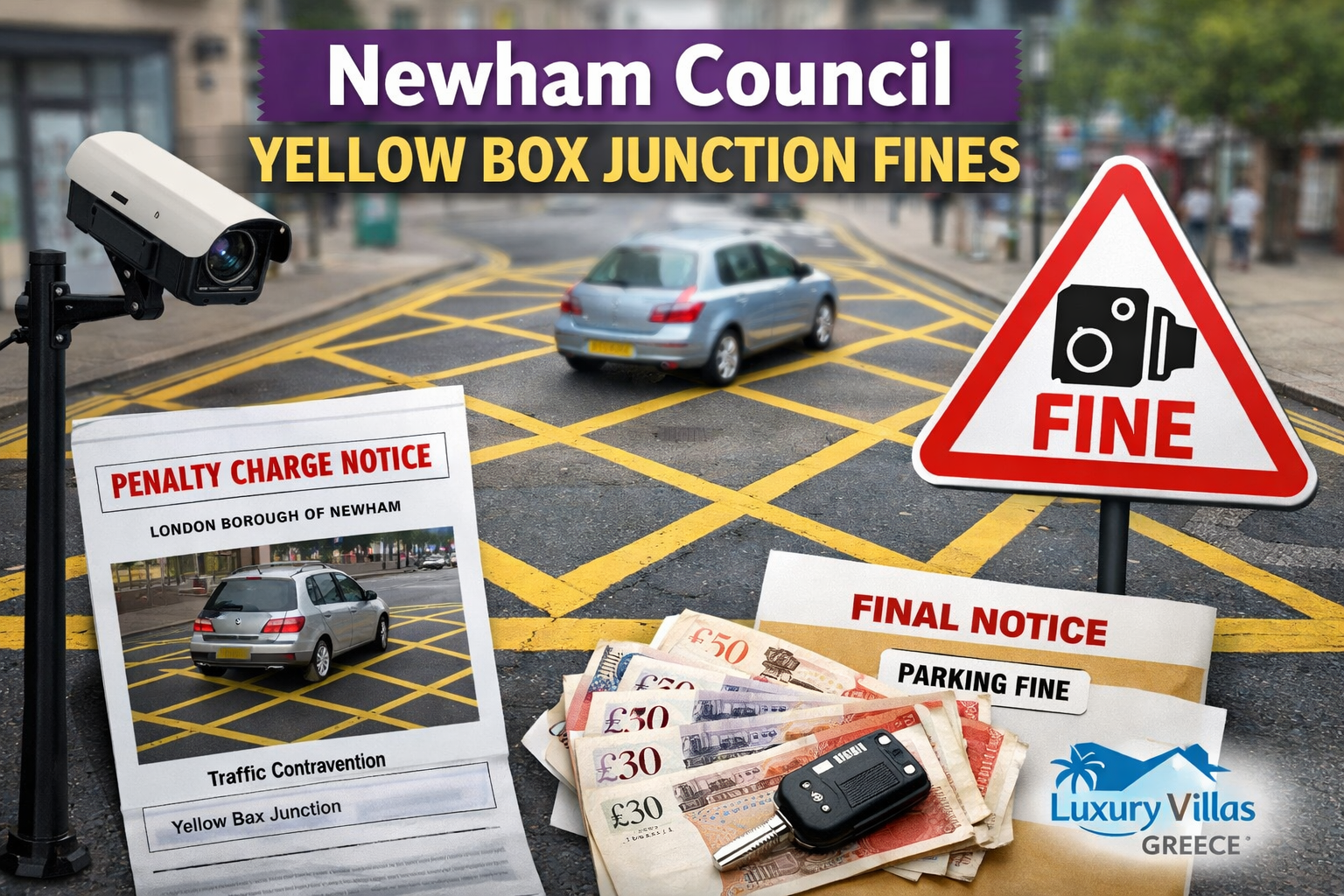
Newham Council has become the center of controversy after issuing over 350 yellow box junction fines during roadworks, collecting £23,000 from drivers who had no alternative route. The case has raised questions about traffic enforcement practices across the east London borough.
Table of Contents
Driver Wins Tribunal Battle
Ricardo Bowden, 49, took Newham Council to London Tribunals after receiving a penalty charge notice for entering a yellow box junction on Barking Road. The roadworks at the time made it impossible for him to take another route.
Adjudicators ruled in Bowden’s favor, stating that the box markings “served no purpose whatsoever and did not fulfill its statutory purpose.” The tribunal found the council “wholly unreasonable” in its handling of the case and ordered it to pay Bowden’s legal costs.
A Freedom of Information request later revealed the council issued 376 PCNs at the same location during one month of roadworks in April and May, collecting £22,975 from 306 paid fines.
Newham Labeled UK’s ‘Fine Capital’
The numbers tell a troubling story. Between 2023 and 2024, Newham Council generated a record £21.5 million from parking fines, issuing more than 430,000 Penalty Charge Notices. These fines cover parking offenses, yellow box junction violations, and bus lane infractions.
The borough earned the nickname “UK’s fine capital” after becoming London’s most aggressive traffic enforcement authority. Out of the 439,000 PCNs distributed, nearly two thirds were for parking offenses. The council also removed over 8,000 vehicles to the pound, more than double its closest competitor, Haringey Council.
This represents an 81% increase from the 2018/19 financial year and a sharp rise from 2021 when Newham issued £10.6 million worth of fines.
Understanding Yellow Box Junction Rules
Yellow box junctions are designed to keep traffic flowing by preventing drivers from blocking intersections. According to Highway Code Rule 174, drivers must not enter yellow boxes unless they can cross completely without stopping. The only exception is when waiting to turn right but prevented by oncoming traffic.
Current fine amounts:
- £130 in London boroughs, reduced to £65 if paid within 14 days
- £160 on Transport for London red routes, reduced to £80 within 14 days
- £70 in other areas of England and Cardiff, reduced to £35 within 21 days
Appeal Rates Remain Low
Despite issuing 439,000 PCNs, fewer than 0.7% were appealed, according to figures analyzed by justice campaigner Ivan Murray Smith. The Conservative councillor from Great Yarmouth has supported hundreds of motorists in London Tribunals.
Murray Smith’s investigations identified at least 800 wrongly issued PCNs in Newham over the past decade. Between 2014 and 2024, more than 500 PCNs were issued at a disabled bay where signage had been unlawfully changed.
“The more broken the system is, the more money they make,” Murray Smith said. “Newham gets showered with money.”
East Ham teacher Kishan Shanji, 40, explained why many drivers don’t appeal. “I have heard it is a long process and most of the time you get shut down,” he said.
Council Defends Enforcement Practices
When asked about the roadwork fines, a Newham Council spokesperson maintained their position. “Enforcement of yellow box junctions is vital to keeping traffic moving on Newham’s roads,” they said.
“While we acknowledge that road works were taking place at this location, we believe it was right to continue to enforce so that traffic flow was not affected by inconsiderate drivers.”
The council added that the appeals process allows drivers unhappy with PCNs to dispute them and promised to “deliver on our commitment to treat drivers fairly.”
Following pressure from Murray Smith, the council eventually refunded all 370 PCNs issued at the Barking Road location during the roadworks period.
Broader Issues with Yellow Box Enforcement
The RAC commissioned a study revealing that 98 out of 100 yellow box junctions analyzed in London and Cardiff were larger than necessary. Outside London, 36 yellow box junctions in 11 local authorities generated nearly £1 million in fines during 2024 alone.
Manchester City Council topped the list outside London and Cardiff, collecting £446,706 from 13,130 PCNs at six yellow boxes. The Dennis Roundabout in Guildford, Surrey, became the highest earning single yellow box, issuing 4,250 PCNs and collecting £81,445 in fines.
RAC senior policy officer Rod Dennis said the high numbers should “send alarm bells ringing in council offices.” He emphasized that box junctions must be used in correct places and sized appropriately.
“As the data shows, not every council now enforcing yellow boxes is generating a huge amount of money from fines,” Dennis noted. “A small number of fines and a small number of appeals indicates a yellow box that’s working as it should.”
How Drivers Can Challenge Fines
Murray Smith advised drivers who believe they received wrongly issued PCNs to seek independent guidance. He recommends consulting the Free Traffic Legal Advice website and warned drivers not to trust everything the council tells them.
Common grounds for successful appeals include poor or faded road markings, blocked exits caused by other vehicles, and CCTV evidence that doesn’t show the full traffic context.
Even when appellants successfully challenge PCNs at tribunal, they rarely recover legal costs from the council, which minimizes risks for municipal mishandling.
Revenue Allocation
London Councils’ Chief Operating Officer Stephen Boon explained that any net revenue raised from PCNs is reinvested in transport schemes. This includes paying for the Freedom Pass, which provides free public transport for older and disabled Londoners.
Newham spends about £12 million subsidizing free public transport for these residents. Parking income is ring fenced under the Road Traffic Regulation Act 1984 and cannot be used for general expenditure.
The money goes toward school crossing patrols, road maintenance, environmental improvements, and sustainable transport policies.
For drivers in Newham Council yellow box junction fines situations, understanding the rules and knowing your rights to appeal remains essential. With enforcement showing no signs of slowing down, awareness could save money and frustration on the road.