
 By Oscar Woods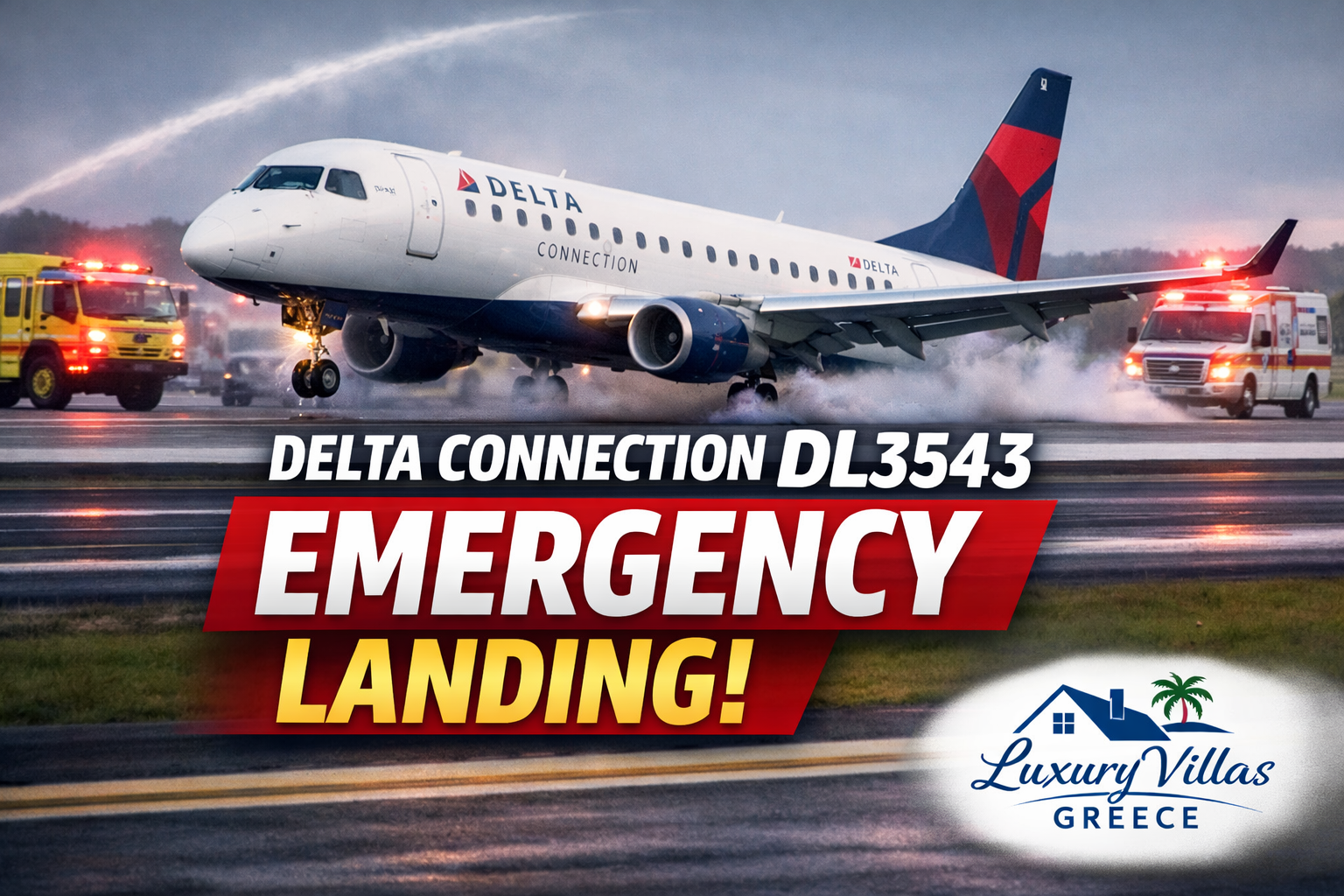
Delta Connection flight DL3543 declared an in-flight emergency on July 7, 2025, and turned back to Minneapolis less than 40 minutes after takeoff. Here is the full picture.
Table of Contents
A Routine Monday Flight That Wasn’t
It was a Monday afternoon at Minneapolis-Saint Paul International Airport. Passengers boarded an Embraer 170-200LR, tail number N259SY, operated by Endeavor Air under the Delta Connection brand. Destination: Chicago Midway International Airport. A short domestic hop. Nothing unusual.
Flight DL3543 lifted off at approximately 13:09 UTC. Ten minutes into the climb, at around 21,000 feet, something on the flight deck demanded the crew’s attention.
The pilots halted their ascent, assessed the situation, and made a decision: turn around.
The Emergency Declaration
The crew activated Squawk 7700, the universal transponder code for in-flight distress. That signal immediately notified air traffic control, which cleared priority airspace and alerted ground crews at MSP.
Fire trucks, emergency medical units, and rescue personnel were staged along runway 12R before the aircraft even touched down. That is standard procedure whenever a Squawk 7700 is declared, regardless of the nature of the issue.
At 37 minutes after departure, DL3543 landed safely on runway 12R. All passengers and crew exited the aircraft without injury.
What Triggered the Emergency?
The exact root cause has not been publicly confirmed by Delta or the FAA as of this writing. Reports from aviation tracking sources, including AirLive, indicate a possible technical alert during the climb phase, with speculation around a pressurization indication or a power-related anomaly.
What is confirmed:
- No fire broke out aboard the aircraft
- No passengers or crew were injured
- The aircraft returned to the departure airport as a precautionary measure
- The crew followed standard emergency procedures throughout
The National Transportation Safety Board had not issued a formal finding on the specific cause at the time of publication.
How the Crew Responded
This is where the story shifts from alarming to instructive.
Pilots in commercial aviation do not wait for a situation to worsen before acting. When a flight deck alert signals an abnormal condition, the trained response is to eliminate uncertainty as fast as possible. Continuing to Chicago while an undiagnosed alert remains unresolved is not an option they are trained to take.
The DL3543 crew contacted air traffic control, declared the emergency, and requested priority handling. The aircraft was back on the ground in under 40 minutes from wheels up.
What “Emergency Landing” Actually Means in Aviation
The term triggers immediate public concern, and that reaction is understandable. But in commercial aviation, an emergency declaration is often a precautionary tool, not a signal of imminent catastrophe.
The FAA processes thousands of declared in-flight emergencies across U.S. commercial aviation every year. The overwhelming majority end without injury or significant damage.
When pilots squawk 7700, they receive:
- Priority clearance through controlled airspace
- Runway cleared and held at the destination or return airport
- Emergency services pre-positioned for landing
- Faster communication with ground operations and airline dispatch
Calling an emergency early gives the crew more options. Waiting does the opposite.
About the Aircraft and Operator
The Embraer 170-200LR is a reliable regional jet widely used across North American short-haul routes. It is known for its fuel efficiency and consistent safety record.
Endeavor Air, which operated flight DL3543, is a wholly owned regional subsidiary of Delta Air Lines. Delta Connection flights operated by Endeavor are held to the same federal safety regulations, maintenance standards, and pilot training requirements as Delta mainline operations. The aircraft size and route length do not lower the safety threshold.
Passengers After Landing
Following the safe touchdown, passengers disembarked and were directed to customer service for rebooking assistance. Accounts from the incident noted that the crew communicated clearly throughout the situation, keeping the cabin informed as the aircraft turned back.
No dramatic incidents were reported on board. The flight ended the way aviation safety systems are specifically designed to make it end: everyone on the ground, safely.
The Bigger Context
The DL3543 incident drew wider online attention partly because it occurred during a period when several Delta-related diversions were reported in 2025, including a long-haul flight that diverted following turbulence injuries and a separate domestic flight diverted due to a portable battery fire.
Aviation safety analysts have consistently noted that increased reporting and real-time flight tracking tools have made the public more aware of diversions and emergency declarations that, in previous decades, would have gone largely unnoticed outside industry circles.
What Travelers Should Know
A few facts worth keeping in mind for anyone flying Delta Connection or any regional carrier:
- Regional flights operate under identical FAA safety regulations as mainline commercial flights
- Emergency declarations are precautionary by design, not evidence of mechanical failure
- Squawk 7700 activations are more common than headlines suggest, and most resolve without incident
- Crew training for these scenarios is extensive, with regular simulator exercises covering pressurization events, power interruptions, and rapid return procedures
The Delta Connection DL3543 emergency landing on July 7, 2025 ended the way aviation professionals train for it to end. A technical alert, a disciplined crew response, and 37 minutes later, everyone safely back on the ground at Minneapolis.