
 By Oscar Woods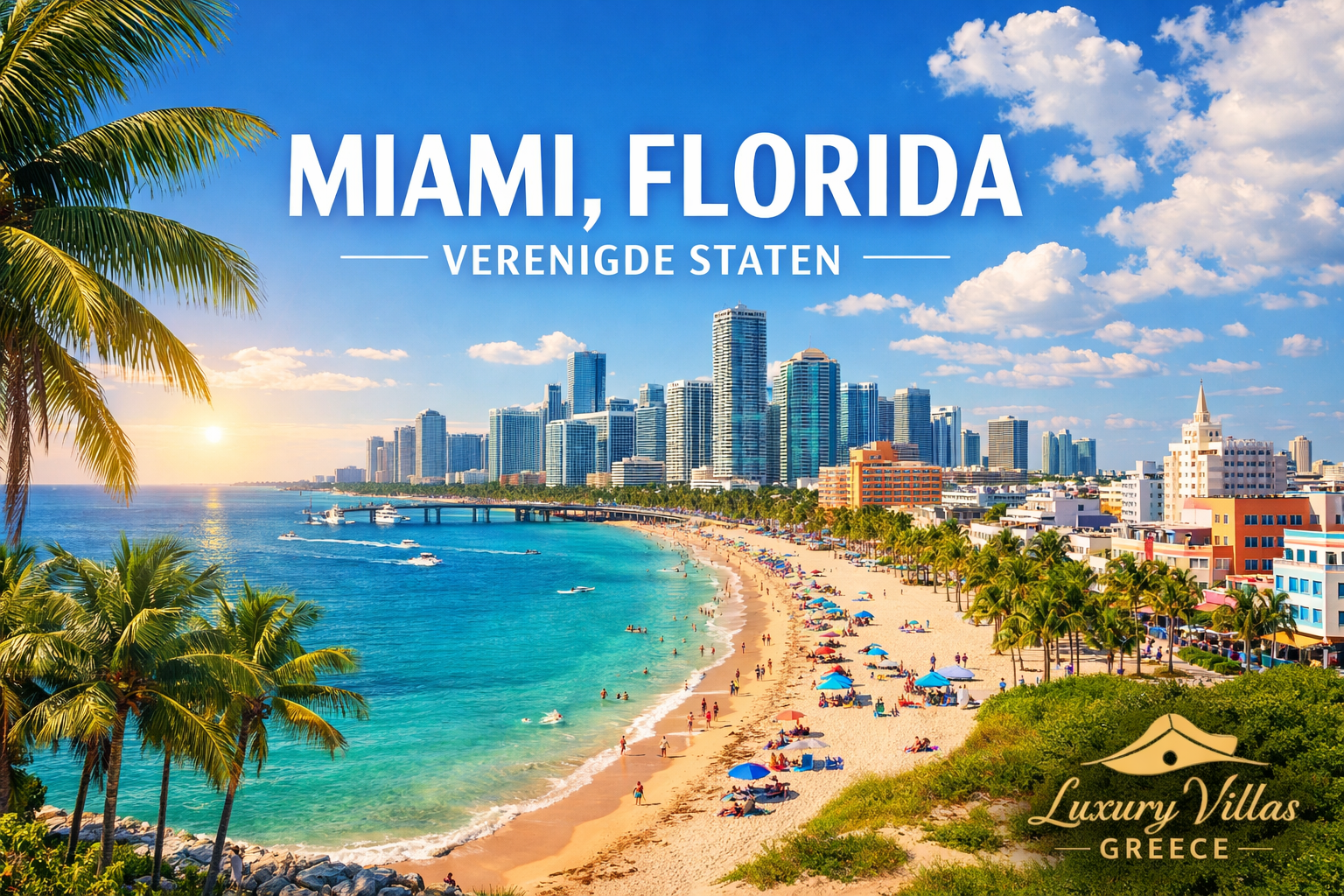
Miami, Florida sits at the southeastern tip of the United States, and right now, more people are paying attention to it than ever before. Whether you’re planning a visit, thinking about moving, or just curious what all the noise is about, here is a full, honest look at what this city actually is.
Table of Contents
Miami Just Broke Its Own Record: 28 Million Visitors in 2024
The numbers coming out of Miami-Dade County are hard to ignore. In 2024, the region welcomed 28.23 million visitors, the highest total ever recorded. That is a 3.9% increase over 2023 and a 16.8% jump compared to pre-pandemic 2019.
Those visitors spent a combined $22 billion across hotels, restaurants, retail, and entertainment. Tourism now accounts for roughly 9% of Miami-Dade’s gross domestic product, and more than 209,000 jobs in the region are tied directly to the industry.
Colombians made up the largest group of international arrivals in 2024, followed by Brazilians and Canadians. Canadian visits dropped 4%, a trend linked to economic and political friction between the two countries, a pattern that is expected to continue into 2025.
Why People Keep Coming to Miami, Florida
The pull of Miami works on several levels at once.
Weather and beaches Miami’s climate is subtropical, which means warm temperatures year-round and humidity that never fully lets up. South Beach, with its art-deco buildings and white sand, is the postcard version most people recognize. But Bill Baggs Cape Florida State Park on Key Biscayne consistently ranks among the best beaches in the entire country, with far less of the tourist traffic.
Culture and population mix Nearly 70% of Miami-Dade County identifies as Hispanic or Latino, making it the second-largest city in the U.S. with a Spanish-speaking majority, after El Paso, Texas. That cultural foundation shows up everywhere: Cuban coffee windows on Calle Ocho in Little Havana, Haitian art in Little Haiti, Brazilian restaurants in Brickell, Jamaican bakeries in Opa-locka.
Major events on the calendar Miami is not just a beach city. It holds some of the most prominent events in the world:
- Art Basel Miami Beach: one of the most important international art fairs on the planet
- Calle Ocho Music Festival: a massive Latin music street festival drawing hundreds of thousands
- Miami Music Week: the global center of electronic dance music every March
- Latin Grammy Awards: Miami is a recurring host for the biggest night in Latin music
And 2026 brings the FIFA World Cup, with Miami among the eleven U.S. host cities. Add the NHL Winter Classic, the World Baseball Classic, and the College Football Playoff National Championship to the list, and the city’s event calendar is at capacity for years ahead.
The Neighborhoods: Miami Is Not One Place
Anyone who thinks of Miami as just a beach destination is missing most of the picture. The city is made up of dozens of distinct neighborhoods, each with its own personality.
| Neighborhood | Character | Avg. 1-Bed Rent |
|---|---|---|
| Brickell | Finance district, high-rises, rooftop bars | ~$3,600/mo |
| Wynwood | Street art, galleries, creative scene | ~$3,150/mo |
| Little Havana | Cuban culture, local restaurants, domino parks | ~$2,573/mo |
| Coconut Grove | Miami’s oldest neighborhood, tree-lined, bayside | ~$2,827/mo |
| Downtown Miami | Urban core, Kaseya Center, Bayfront Park | ~$3,058/mo |
Coral Gables draws people with its Mediterranean-style architecture and wide streets. Aventura offers a quieter, suburban option that is popular with families and retirees. North Beach and Surfside have seen significant interest from buyers priced out of South Beach.
Living in Miami, Florida: The Practical Reality
Miami is not just a vacation destination. It is a legitimate option for people relocating to the United States, and it has specific financial advantages worth knowing.
- No state income tax: Florida does not tax personal income, which is a major draw for high earners, entrepreneurs, and retirees
- Median home price: around $570,000 citywide, with homes on Star Island and Indian Creek Village climbing well above $5 million
- Miami International Airport: handled more than 52.3 million passengers in 2023, making it one of the busiest international airports in the country
- PortMiami: the busiest cruise port in the world, with 7.49 million cruise passengers in 2023
- Public schools: Miami-Dade County Public Schools received an “A” grade from the Florida Department of Education in 2024-2025, with 64% of individual schools earning an “A”
The Challenges Miami Is Dealing With Right Now
The record-breaking 2024 numbers do not tell the whole story heading into 2025.
Economic uncertainty has already caused business travelers and conference organizers to pull back. David Whitaker, CEO of the Greater Miami Convention & Visitors Bureau, noted publicly that the hotel industry is reporting postponed meetings and canceled corporate events tied to broader economic caution.
International arrivals through Miami International Airport began declining in early 2025. Canadian carriers including Air Canada, WestJet, and Flair Airlines have reduced Florida routes. The World Travel & Tourism Council projects a potential loss of $12 billion in international visitor spending across the U.S. for 2025, and Miami is not immune.
The city is responding. Florida has organized targeted trade shows for Canadian tour operators. A new 800-room hotel adjacent to the Miami Beach Convention Center, a $390 million investment, is set to open in 2027, adding capacity for large-scale events at a time when competition from other cities is intensifying.
Miami Florida Verenigde Staten: Still One of the Most Compelling Cities in the World
From the art-deco blocks of South Beach to the financial towers of Brickell, from Wynwood’s murals to the domino tables of Little Havana, Miami, Florida in the Verenigde Staten keeps proving it is more than a backdrop for travel photos. It is an economic engine, a cultural crossroads, and a city with real momentum behind it, even when the headwinds pick up. For travelers, investors, and new residents alike, few cities in the United States offer this combination of climate, culture, and opportunity in one place.