
 By Oscar Woods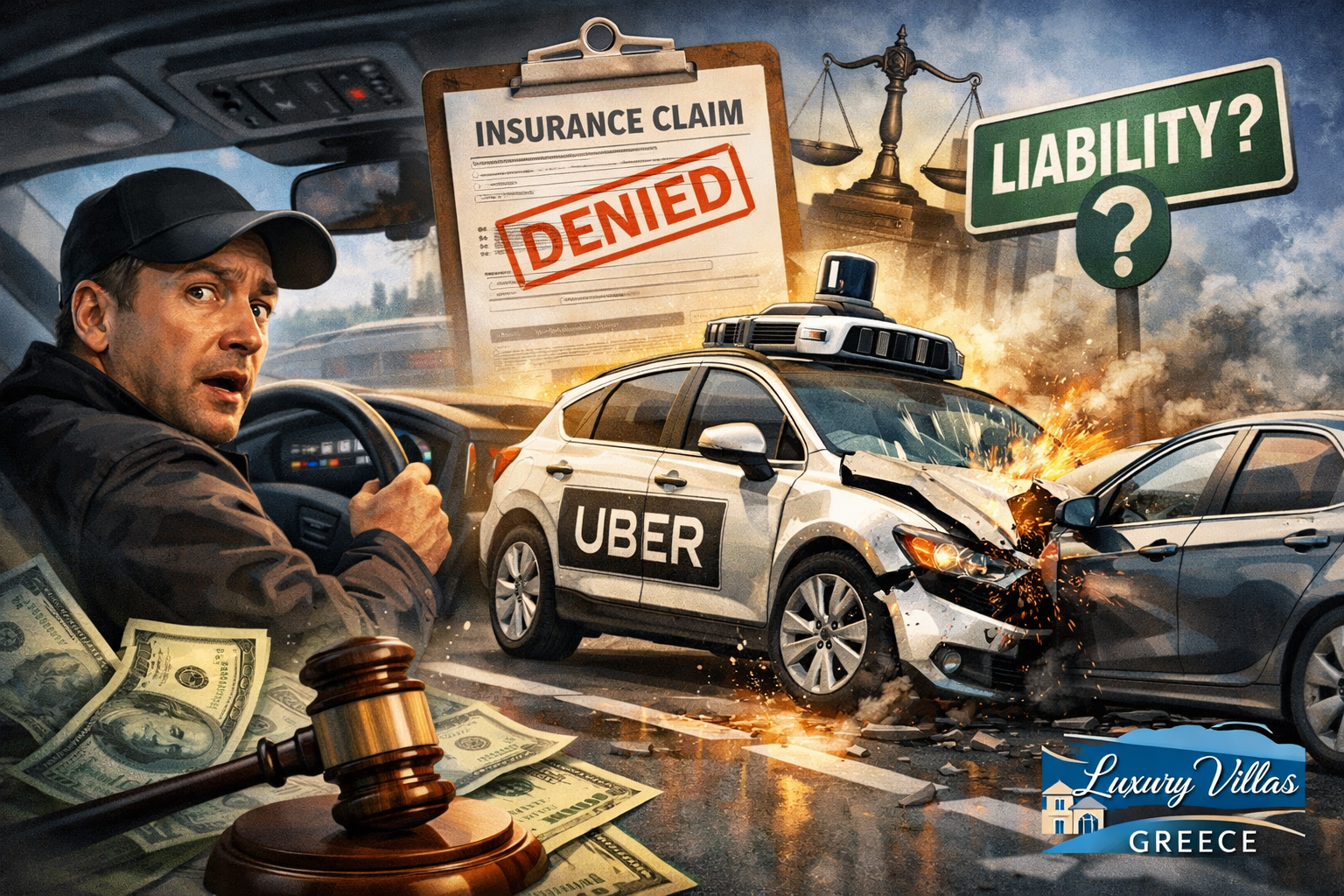
The question of who pays when an uber self driving backup driver causes accident liability insurance claims has become a pressing issue as autonomous vehicles continue testing on public roads. Recent cases show the answer is far more complicated than most passengers realize.
The Fatal Arizona Case That Changed Everything
In March 2018, 49-year-old Elaine Herzberg became the first pedestrian killed by a self-driving vehicle when an Uber autonomous test car struck her in Tempe, Arizona. The backup driver, Rafaela Vasquez, was watching television on her smartphone when the collision occurred. According to the National Transportation Safety Board investigation, Vasquez looked away from the road for more than a third of the trip.
The vehicle’s sensors detected Herzberg and her bicycle, but the software was programmed to ignore potential false positives. In this case, that programming decision proved fatal. The car classified Herzberg as an unknown object, then as a vehicle, then as a bicycle in the six seconds before impact, but never initiated emergency braking.
Arizona prosecutors determined Uber was not criminally liable for the crash. The company quickly settled with the victim’s family for an undisclosed amount. Vasquez, however, faced criminal charges. In 2023, she pleaded guilty to endangerment and received three years of supervised probation plus restitution payments to victims and insurance companies.
How Rideshare Insurance Actually Works
Understanding liability in these situations requires knowing how rideshare insurance coverage operates. The system works in phases based on the driver’s app status:
App Off: Only the driver’s personal auto insurance applies. Uber provides zero coverage during this period.
App On, Waiting for Ride: Uber provides limited contingent liability coverage, typically $50,000 per person for bodily injury, $100,000 per accident, and $25,000 for property damage. This only kicks in if the driver’s personal insurance denies the claim.
Ride Accepted or Passenger Onboard: Uber’s full commercial policy applies, usually offering $1 million in liability coverage. This includes uninsured and underinsured motorist coverage in many states.
The catch? These protections only apply when the authorized account holder is driving.
The Backup Driver Problem
When someone other than the authorized Uber driver operates the vehicle, the entire insurance structure collapses. Uber explicitly prohibits account sharing, and violations can void all coverage.
If an unauthorized backup driver causes a crash, Uber’s commercial insurance typically does not apply. The insurance burden shifts to the actual driver’s personal auto policy. For passengers and other victims, this creates serious problems. Personal policies often carry only state minimum liability limits, sometimes as low as $25,000 per injured person.
Multiple sources confirm this pattern. According to legal analysis from rideshare accident attorneys, when an unauthorized driver operates an Uber vehicle, insurers will deny Uber’s coverage because the trip was not performed by the authorized, vetted driver. Claims then shift to the at-fault driver’s personal insurance.
This means passengers who assume they have $1 million in protection may discover their coverage is actually a fraction of that amount. Medical bills from serious injuries can quickly exceed these minimums, leaving victims to pursue personal lawsuits against drivers who likely lack sufficient assets.
Autonomous Vehicles Add Another Layer of Complexity
Self-driving Uber vehicles with backup drivers introduce additional liability questions. Who bears responsibility when the technology fails but a human was supposed to intervene?
Current regulations require backup drivers to monitor autonomous systems and take control when necessary. California law, for example, mandates that self-driving vehicle manufacturers provide proof of $5 million in liability insurance or financial resources for damages.
During the Herzberg investigation, multiple parties shared blame. The backup driver failed to monitor the road. Uber’s software was tuned to react less aggressively to perceived obstacles. The victim crossed outside a designated crosswalk on a dark road.
Investigators found that Uber’s autonomous vehicles required human intervention once every 13 miles, while competitor Waymo’s technology needed intervention only once every 5,600 miles. In the 18 months before the fatal crash, Uber’s self-driving test vehicles had been involved in 37 crashes.
What Passengers Need to Know
Before entering any Uber vehicle, verify the driver matches the profile shown in the app. Check the photo, name, vehicle make and model, and license plate. If there’s a mismatch, do not get in the car.
If you discover mid-trip that someone other than the authorized driver is operating the vehicle, you can request to stop in a safe location. Report the issue through the app once secure. Policy violations like this can complicate or completely eliminate insurance claims.
For accidents during autonomous vehicle testing, liability depends on proving fault. This often requires analyzing black box data, software logs, and vehicle sensor records. Victims may need to pursue claims against multiple parties including the vehicle manufacturer, the software developer, Uber, and the backup driver.
The Insurance Gap No One Talks About
The most vulnerable period for rideshare drivers occurs during what the industry calls Period 1, when they’re online waiting for ride requests. During this time, Uber provides only limited contingent liability coverage and zero collision coverage for the driver’s vehicle.
Many personal auto insurance policies explicitly exclude commercial driving, creating a coverage gap. Drivers can purchase rideshare endorsements to fill this gap, but not all do. For passengers entering vehicles during this period, protection is minimal.
Drivers who add rideshare coverage to their personal policies typically see premium increases of 15 to 20 percent. This coverage extends their personal policy limits to apply while driving for transportation network companies.
Looking Forward
As autonomous vehicle technology advances, liability frameworks continue to evolve. Some states classify the automated system itself as the driver, making manufacturers responsible when system malfunctions cause crashes. Other jurisdictions still assign primary responsibility to the human backup driver.
Insurance companies have begun offering policies specifically for autonomous vehicle liability. The question remains whether existing legal structures adequately address the unique risks these vehicles pose to public safety.
For now, victims of accidents involving uber self driving backup driver causes accident liability insurance claims face a patchwork system. Coverage depends on app status, driver authorization, fault determination, and which state’s laws apply. Settlement amounts vary wildly, from modest personal insurance payouts to multi-million dollar manufacturer settlements.
The Herzberg case demonstrated that even when technology fails catastrophically, criminal liability may not extend to the company testing that technology. Civil settlements, paid quickly and confidentially, can bury important safety questions before courts establish clear precedents.
Passengers and pedestrians share the roads with these experimental vehicles, often without realizing the insurance protecting them may evaporate if the wrong person sits behind the wheel. Understanding these risks is the first step toward demanding better protections.